Arriving on Gran Canaria for the first time, you might expect the airport to be close to the island capital.
In fact, Gran Canaria Airport, LPA, lies almost 25 kilometres south of Las Palmas de Gran Canaria on the island’s east coast. For much of the year, this part of the island is influenced by the steady north-easterly trade winds. For airport operations, however, these winds are simply part of everyday life.
The airport itself feels very well organised. In my experience, it is one of the most pleasant airports in the Canary Islands. While other airports in the archipelago have attracted attention in recent years because of capacity issues or the need for modernisation, arriving on Gran Canaria usually feels calm, efficient and straightforward. It is exactly how a holiday should begin.
Heading south by rental car
For a stay at Salobre Golf Resort, I would personally recommend a rental car. It gives you the greatest freedom to explore beaches, mountain villages or restaurants in the south of the island independently.
Booking the car before travelling usually makes the collection process much easier on arrival. The rental car companies at the airport are accustomed to a constant flow of visitors and generally operate very professionally.
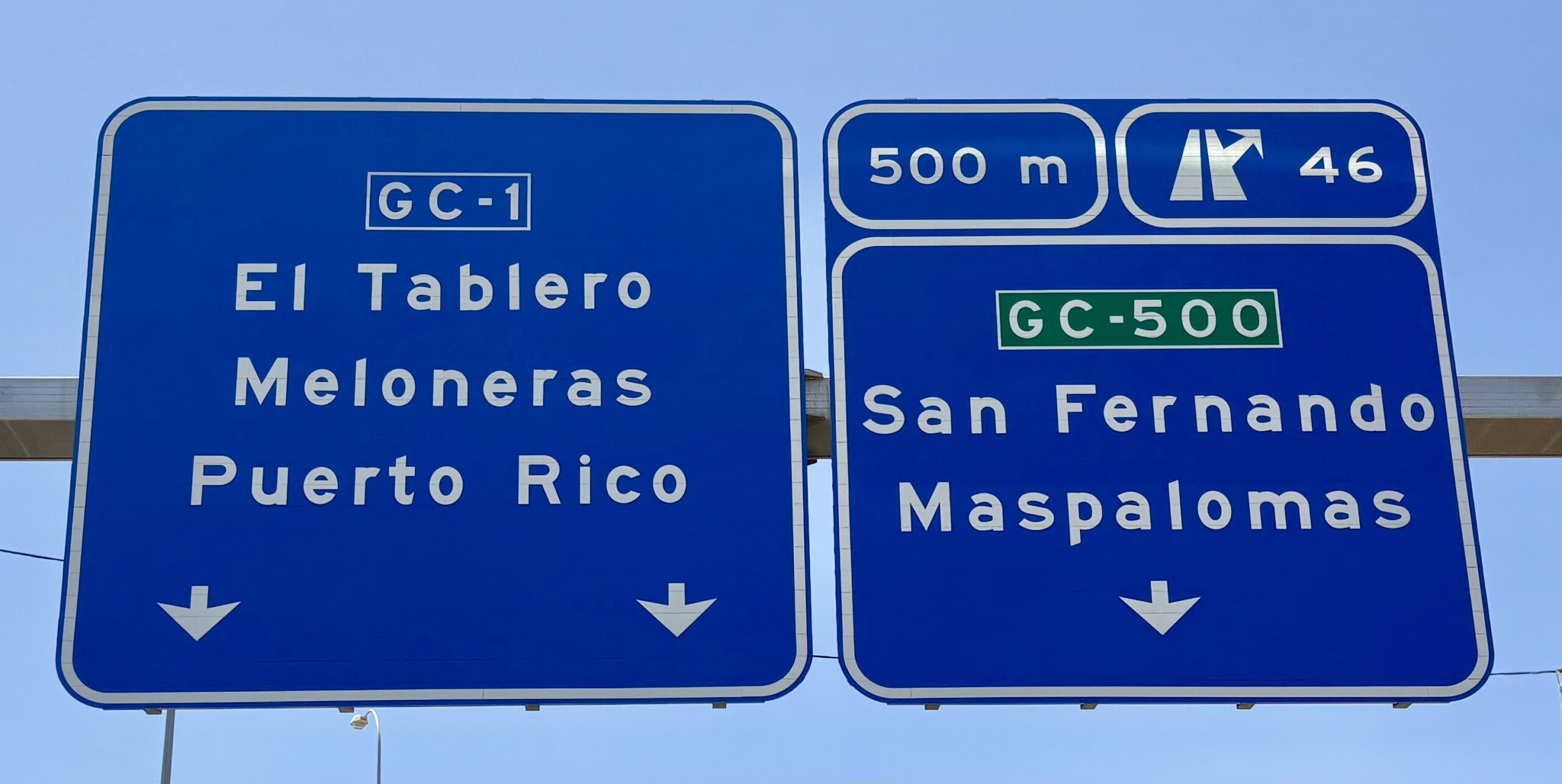
Once you have collected the car, the direction is simple: GC-1 / Sur. From the airport to the entrance of Salobre Golf Resort, the distance is around 40 kilometres and the journey usually takes about 30 minutes. Much of the GC-1 on this stretch has three lanes, and traffic heading south normally flows surprisingly well. Traffic jams on this section are the exception rather than the rule.
Guagua or taxi – travelling without a rental car
Public transport is another interesting option. Buses on Gran Canaria are known as Guaguas and are reliable, modern and very inexpensive. They are air-conditioned, often have USB charging points and connect the airport with the main holiday resorts in the south. During busy travel periods, however, some services can become quite full.
Bus line 66 is particularly useful. It runs from the airport via places including San Agustín and Playa del Inglés to the Faro de Maspalomas. A one-way adult ticket costs around 4.40 euros, which is remarkably inexpensive for the distance.
Anyone who prefers to travel directly to their destination without changing transport can take a taxi. A journey from the airport to the south currently costs around 70 euros. It is advisable to use the official taxis, which can be recognised by their local municipal markings.
Exit 53 – this is where Salobre begins
If you are driving yourself, stay on the GC-1 heading south until exit 53. Around 100 metres after leaving the motorway, the distinctive stone wall appears with the words “Salobre Golf & Resort – Feel the warm side of life”.
It cannot be seen from the GC-1 itself. It only appears once you have left the motorway and are approaching the resort. It is the first visible sign that your destination is very close.
Shortly afterwards, you reach the main security barrier at the entrance to Salobre Golf Resort. Arrival is straightforward: if you can say which villa you are visiting or have rented, the security staff will normally let you through without difficulty.
Only a few metres beyond the barrier stands the large sign directing guests to the different residential areas. This already reveals one important detail: at Salobre Golf Resort, the name of the Complejo comes first, and the house number only becomes relevant afterwards.
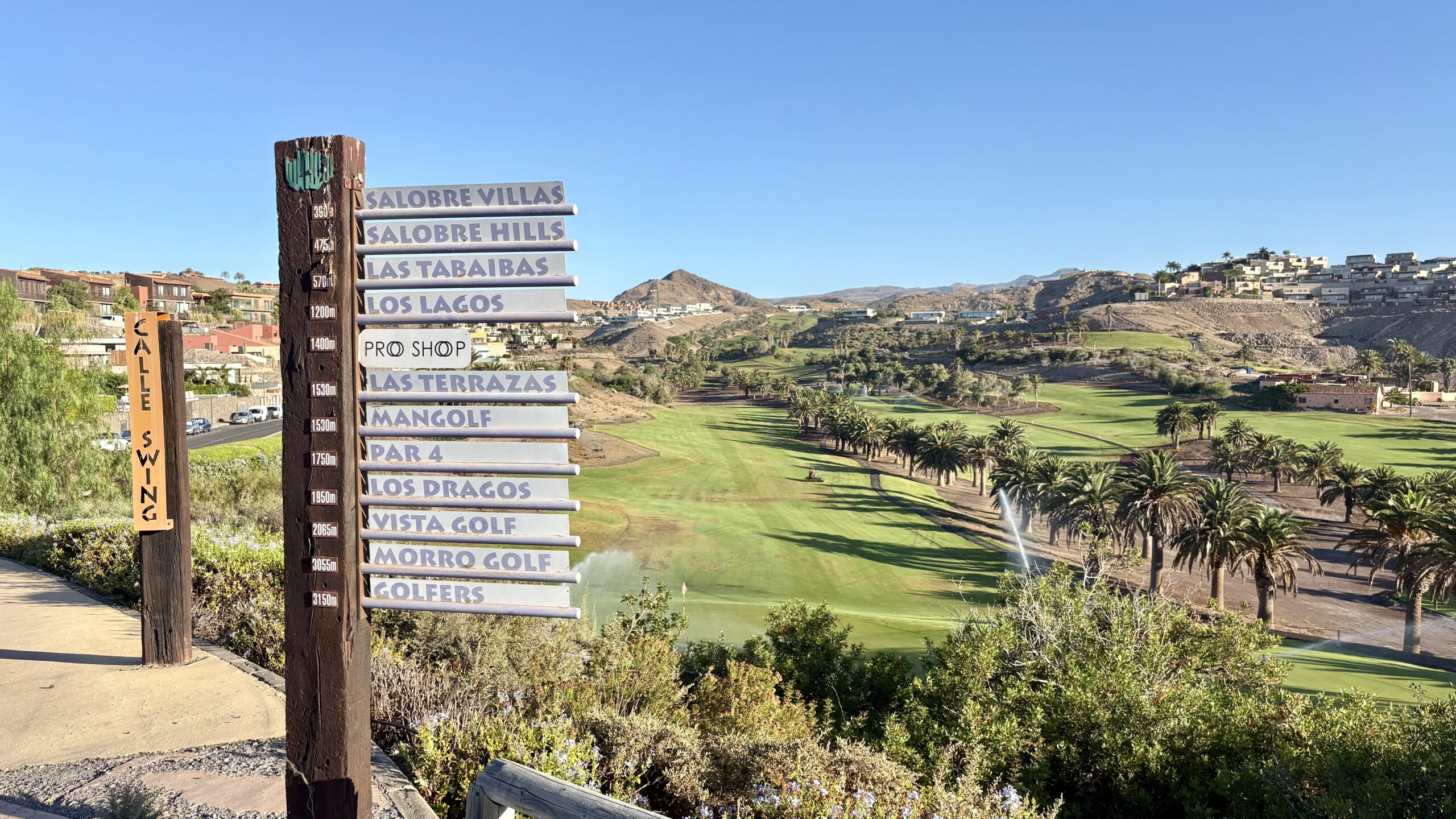
Beyond the barrier, the atmosphere changes noticeably. The motorway suddenly feels far away, while palm trees and golf courses shape the view. Cars are few and far between – you are just as likely to encounter a jogger or someone out for a walk.
Calle Swing, Calle Green – and finding the right villa
Most of the villas are located along the two main roads, Calle Swing and Calle Green. The villas themselves are distributed among several Complejos, or smaller residential communities.
To find your villa, you therefore need to know which Complejo it belongs to. The house number alone is of little use and only becomes important once you are inside the correct Complejo.
Some of these residential areas also have their own additional barrier. Especially on a first visit, it can therefore take a few more minutes to get from the main resort entrance to the correct villa.
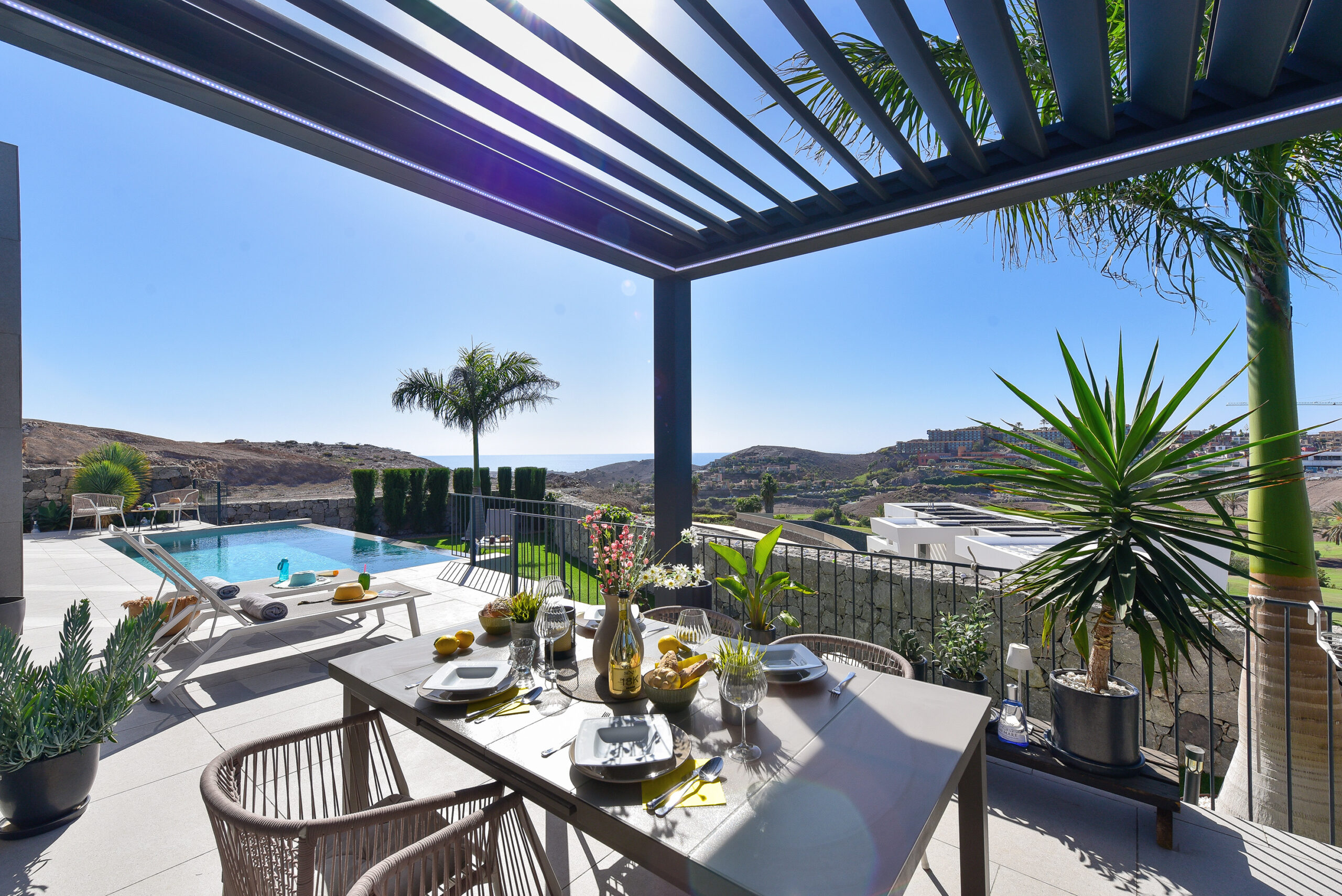
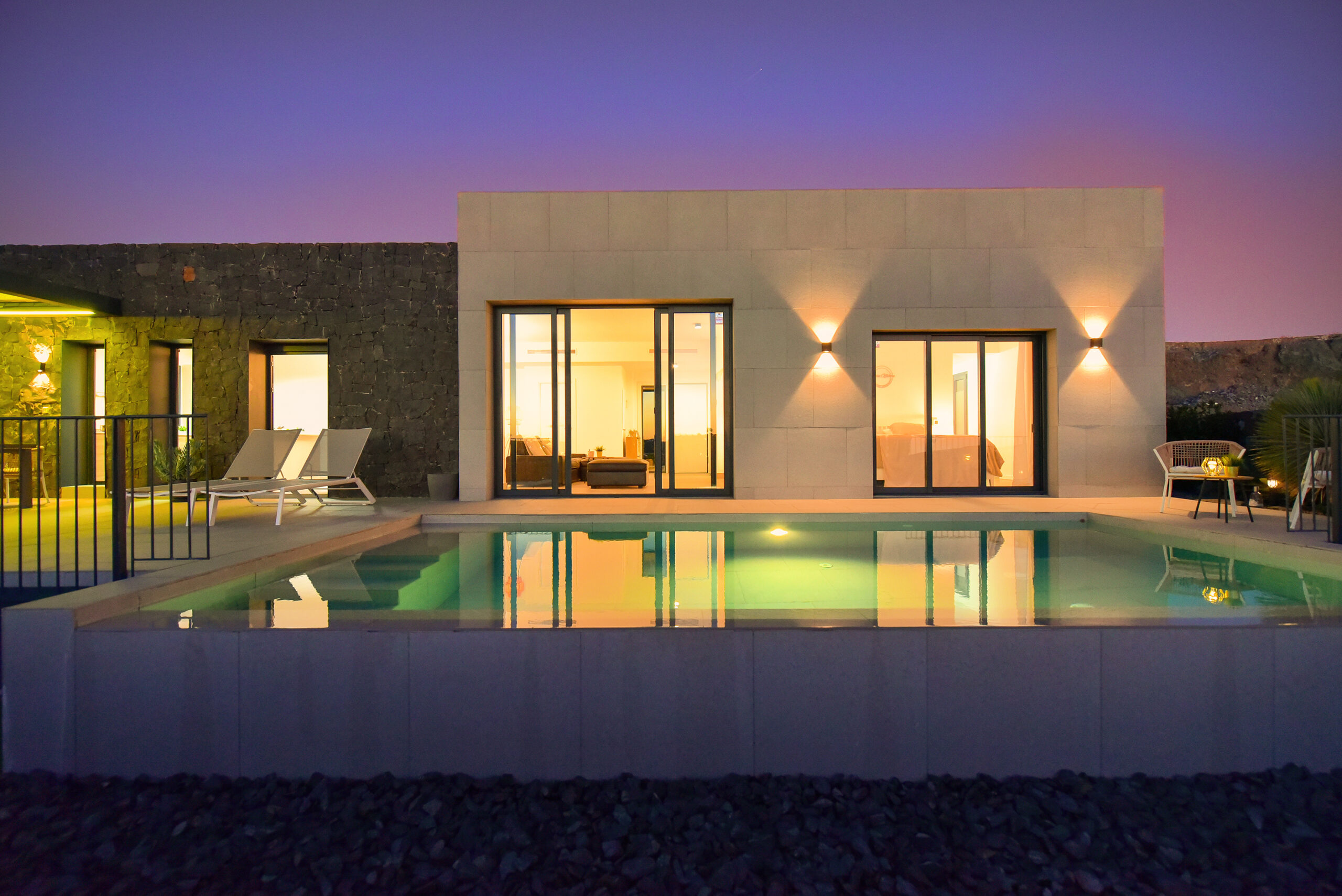
Then the car is parked, the luggage is unloaded, and the private pool is often only a few steps away.
And with that, your first hour on Gran Canaria is complete.